Showing posts with label dental components. Show all posts

Treating Tooth Sensitivity the Effective Way

Friday, 27 September 2013

If cold, hot, acidic or sweet food and beverages make your teeth painful or sensitive, then you suffer from the signs and symptoms of tooth sensitivity. This is the common name applied to root sensitivity or dentin sensitivity. It is very common condition, with over half of the American population suffering from some degree of tooth sensitivity.
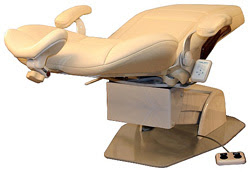
ELECTRO-MECHANICAL PATIENT CHAIR, ECONOMY

Reasons for Dentin Hypersensitivity or Tooth Sensitivity

Peridonatal diseases or receding gums are the underlying cause for tooth sensitivity. These conditions lead to an exposure of dentin present in the root areas and are responsible for causing discomfort in most patients. Most senior citizens and people aged above 40 experience enhanced sensitivity in their teeth and gums. The reasons behind this are fairly simple to understand.

The roots of your teeth are devoid of any protective covering –unlike that of the enamel of your teeth. They have a very soft cover which is known as the “cementum”. Loss of this cover leaves the roots exposed and prone to higher sensitivity, pain and discomfiture. Use of abrasive toothbrushes, erratic flossing techniques or overzealous brushing can also lead to removal of enamel from the teeth—exposing dentin in the process.

Rich and acidic diets can cause further erosion and dissolution of the surface of the teeth. Some of the serious dental conditions which arise due to exposure of dentin and dental erosion are connected with GERD and Bulimia—which cause enhanced levels of acid in the mouth.

The Right Ways of Treating Tooth Sensitivity

It is important to inform your dental expert about any sensitive areas in your dental setup, so that the problem of dentin hypersensitivity or tooth sensitivity can be diagnosed at an early stage and all necessary steps can be taken to treat the same on in a proactive way.

Sensitive teeth can be really painful and can cause problems while maintaining simple oral hygiene regimes. As they can also point towards decays, holes in the teeth, signs of broken tooth or other conditions which require other procedures or filling; it becomes all the more important to address teeth sensitivity-- as soon as possible.

How to Prevent Tooth Sensitivity

The chances of reducing teeth sensitivity can be enhanced by maintaining a carefully planned oral health care system in place. New and modern dental equipment, tools and dental components help in the prevention of enamel erosion and are being used by dental clinics globally. Low abrasion toothpastes and special formulas go a long way in alleviating hyper sensitivity of teeth and are being recommended by dental hygienists and oral health care takers around the world. Several desensitizing agents are now available and can be used to protect your teeth against decay and erosion as well.

So, instead of worrying about the signs and symptoms of teeth sensitivity, simply contact your dentist or expert for the best possible solution.

Changes in Oral Dental Care for Aging Seniors

Tuesday, 24 September 2013

Our need for dentistry and oral care hygiene changes with age. These changes are variable in nature and differ according to our nutritional habits, medical conditions, inherited physical attributes and traits and overall lifestyle. Seniors need to take care greater care of their oral health and pay heed to recommendations which promise to give a new lease of life to their deteriorating dental hygiene. Some important areas of concern in aging patients are discussed below:
SILCRYN TM TUBING

Color of the Teeth:

Plaque is basically an invisible layer of bacterial growth which forms on the teeth. It traps marks and stains which lead to an irregular discoloration of the dental setup—which can take place at any age. However, after a certain period of time, this layer starts building up more frequently and becomes increasingly difficult to remove. The teeth may also appear darker due to impending changes in the layer of “dentin” –which is placed beneath the tooth enamel. Consumption of tobacco, tea and dark coffee over time can also lead to stains.

Flossing and brushing should form an integral part of the daily oral care regime—especially in the morning and before going to bed. These lead to an alleviation of plaque formation and restricts their build up over the night. Most dentists recommend special formulas and rinses for the removal of plaque.

Dryness in the Mouth:

With age, many seniors experience a reduction in the flow of saliva in their mouth cavity. Regular usage of medications, decongestants and painkillers can add to this dryness. This leads to difficulty in swallowing, burning sensations in the mouth, sore throats and hoarseness. If left unattended, this dryness can lead to damaged teeth and an increase in the levels of bacteria-- which were earlier washed off gums and teeth by the natural rinsing process of saliva.

Usage of sugar-free hard candy and chewing gums can increase the production of natural saliva and provide the much needed relief.

Cavities:

As the gums begin receding, the portion of dental setup located under the gum line starts exposing itself. Roots are softer than the surface of teeth and are more prone to decay and damage. Most senior people suffer from some type of tooth condition, cavities or oral health care problems, it is important to visit the dental clinic regularly and without fail; especially if they are above 50. Thinning gums have to be brushed with care, as they can tear off easily with harsh brushing techniques.

With their modern dentistry means in place, dentists are well equipped to handle such cases with ease. Apart from modern dental components and dental tubes, there is an exhaustive range of upgraded tools and equipments which aid the process of painless and timely treatment—leading to removal of symptoms and better oral health care.

Overcome your Fear of the Whizzing “Drill”

Saturday, 21 September 2013

Does the sight or sound of a dental drill trigger off a cold-sweat, white knuckle reaction in you? Are you scared of visiting the dentist even for regular checkups and examinations because you are scared of any cavities being found--again conjuring the image of that dreaded drill? Well, if your answers are in the affirmative then you are amongst a multitude of patients who are still fearful of visiting their dental experts.

However, contrary to what you believe, this fear is however less physical and more psychological in nature. The rise in anxiety and stress levels is often connected with the buzzing and whining sound of dental components and tools near your face, as you undergo treatment for decaying gums or replacement of your lost tooth. This can prove to be pretty annoying and make your visits to the clinic irksome and less pleasant than what you would prefer.
6-PIN FIBER OPTIC ASSEMBLY

Well, you can now relax. The incorporation of modern dental equipments and tools in most clinics across the world has made dental appointments more bearable and worthwhile. If you are still skeptical of the various dental tubes and dental components surrounding you, then you could research on dental processes which are relevant to your case or have a friendly discussion with your dentist before undergoing treatment.

Some valuable tips which go a long way in helping you feel more relaxed in a dental clinic are given below:


  • Have a thorough understanding of the procedure and the hand piece which will be used on you.

  • Share your fears with the expert and ask him to suggest other alternatives for removal of your decay—like laser treatment or air abrasion.

  • You can enquire about the role of nitrous oxide—also known as “laughing gas”, in making you feel more relaxed through the procedure.

  • Remember to take your personal headphones with you. You can relax and listen to music as the dentist goes about his job .Some clinics provide "i-glasses to their patients. These devices are like personal movie theaters which allow you to enjoy a movie or video during the treatment process. This helps you keep your mind off the various equipments which are around you and make the entire process a lot more pleasant and painless.


  • Last but not the least; do not be too concerned about your rising levels of anxiety. It’s normal and quite to be nervous and wary of situations about which you have no prior experience or knowledge. Most of us have probably failed to hear good things about how dentists create opportunities for attractive bright smiles and good dental health care. Fortunately, things are different for this generation. There is a sea change in the field of dentistry in the past fifteen years and now it is time to update these old stories—with ones which are connected with painless visits to dental chambers, usage of smart and hi-tech equipments, new anesthetics and overall better dental well being.

    The Increasing Global Demand for Modern Dental Parts and Dental Equipment

    Friday, 6 September 2013

    Market analysts are pointing towards an upbeat scenario in the global market of dental industry. There is a growing market for dental equipment, components and parts, with the demand expected to escalate further in the period ranging from 2013-2016. You may have questions regarding the relevance of these reports to your dental clinic visit. Well, with these hi-tech dental parts in place, you can look forward to better means of diagnosis, painless treatment and more pleasant visits to your dentist’s office.

    The increasing demand for hi-tech dental tools and equipment

    You may be used to seeing a host of dental clinics offering updated and benchmarked services in your community. An increasing number of young dental graduates and experienced practitioners are making a large difference in the lives of people suffering from oral diseases and dental prostheses.

    Whether it is about handling bridges, crowns, implants or other more complicated dental procedures, professionals in the field are investing in cutting edge technology and modern dental equipment for providing painless services to their clients. This has led to a growing need for practical and pneumatic features, which necessitate minimal maintenance of equipment and offer consistent service for years together. Examples of these types of products can be viewed on www.usmedlink.com.

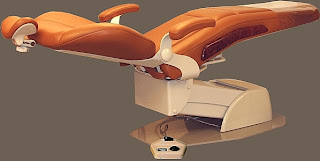
    ELECTRO-MECHANICAL PATIENT CHAIRImprovements in radiology and imaging are helping dental experts diagnose and provide solutions in a reliable and quick way. State of the art technologies like CAD/CAM have had a positive impact on dental prostheses and equipments and are now being utilized in most well equipped clinics globally.

    Gone are the days when patients would approach dental clinics with an apprehensive state of mind and come out with a bad taste in their mouth. New anesthetics, laser driven tools and equipments, smart dental hoses, tubes and an ever increasing range of digital devices are helping patients have friendlier and more regular collaborations with their dental experts.

    The role of modern innovations in dental components

    Be it for their oral health problems or more complex issues like root canal or tooth replacement, hi-tech dental components help patients feel more comfortable and at ease on dreaded dental chairs. Traditional dental tools are now passé and are being replaced by modern vacuum systems, air compressors, film and digital imaging—to deliver accurate and quick results to their patients.

    Along with the patients, dentists and their support staff in the clinic are also reaping advantages of dental components like eye protection devices, hi tech masks, face shields and protective clothing; which provide them protection from patients suffering from serious diseases of the mouth.

    These ultra modern and sleek machines installed in well maintained dental clinics certainly go a long way in increasing the confidence of patients and alleviating their fears of visiting a dentist—and in more ways than one.